Logan Jenkins · 2 September 2026
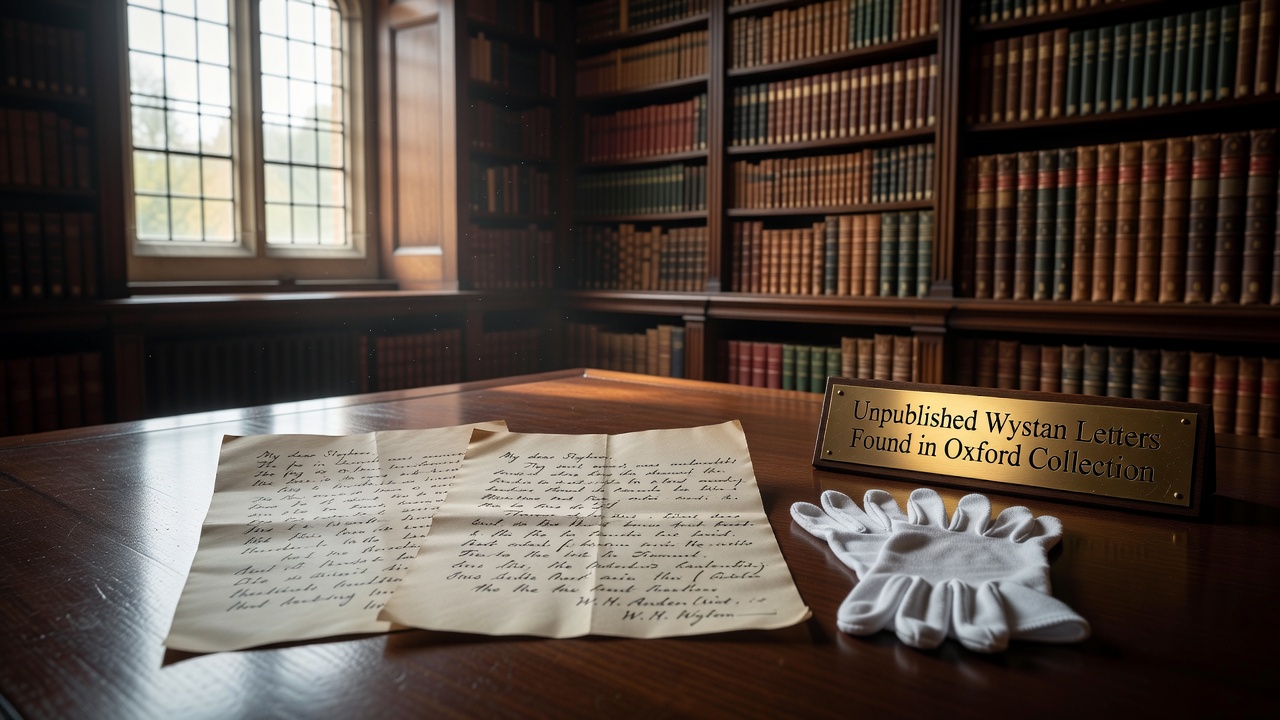
Scholars have welcomed the discovery of twenty three unpublished letters by Wystan Hugh Auden in a private collection based in Oxford. The letters date from the mid nineteen thirties to the nineteen sixties and address various aspects of the poet's life and work. They were found among the papers of a deceased academic who had corresponded with Auden over many years. The documents provide fresh perspectives on his political views and literary friendships.
Details of the Find
The archive belongs to the family of Professor Harold Jenkins who taught at Oxford University. During a review of inherited documents the letters surfaced unexpectedly. Experts verified their authenticity by comparing them with known samples of Auden's handwriting and by cross referencing dates and events mentioned. The owner has decided to keep the collection private for now but has permitted select scholars to view them. Topics in the letters include Auden's experiences during the Spanish Civil War his thoughts on moving to the United States and comments on fellow writers like T S Eliot. These writings are expected to offer new angles on Auden's political and personal evolution. Additional items include marginal notes on contemporary events that enrich understanding of his creative context.
Academic Significance
Reaction from the literary community has been positive with many researchers expressing excitement about potential new publications. A planned edition of selected letters is in preparation and should appear in the next couple of years. The materials also contain notes on poem drafts that could aid in understanding Auden's revision process. This event highlights how private collections continue to yield important historical documents even for well studied figures like Auden. Further analysis may reveal more about his later life in Austria and his views on contemporary society. The discovery serves as a reminder of the value in preserving personal correspondence for future generations of students and academics interested in twentieth century poetry. Ongoing cataloguing may uncover even more related materials in the coming months.