Petra Müller · 2 September 2026
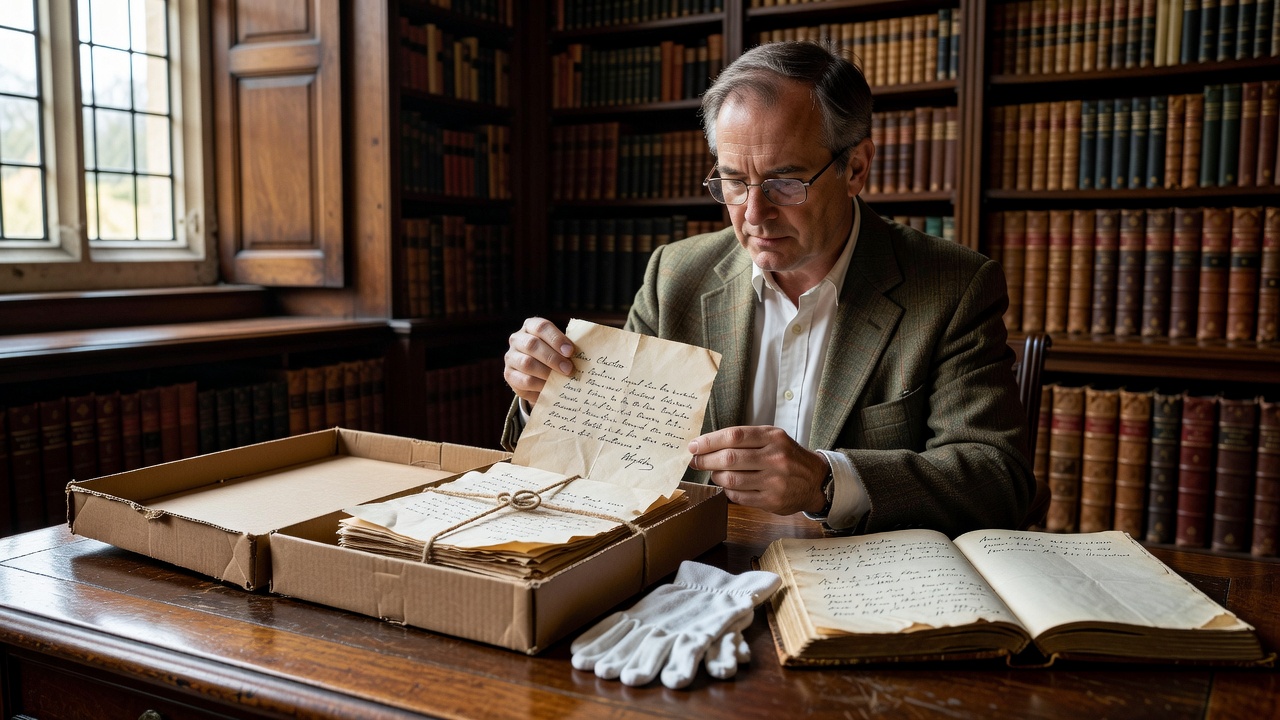
The discovery of a cache of unpublished letters by the renowned poet Wystan Hugh Auden in a private collection in Oxford has generated considerable interest among literary scholars and enthusiasts. These letters, which had remained hidden for decades, offer unprecedented glimpses into Auden's thoughts, relationships, and creative endeavors during pivotal periods of his life. The collection was uncovered during a routine inventory of family documents held in an Oxford residence, prompting immediate calls for their cataloging and study by experts from the University of Oxford.
Background of the Discovery
The letters span from the early 1930s to the late 1960s, encompassing Auden's time in England, his emigration to the United States, and his later years. They include exchanges with family members, fellow writers, and publishers. Among the highlights are discussions about his evolving views on Christianity and his collaborative works with other artists. The private nature of the collection meant that these materials escaped the attention of previous biographers and researchers who relied on public archives.
Conservation efforts are underway to ensure the letters are preserved properly, given their age and the delicate paper on which they are written. Initial examinations suggest that some letters contain annotations and marginal notes that could provide additional context to Auden's published poetry and prose.
Literary and Historical Value
The significance of this find lies in its potential to reshape interpretations of Auden's oeuvre. For instance, letters from the 1940s reveal his internal conflicts during World War II and his decision to become an American citizen. Scholars anticipate that these documents will lead to new publications and possibly revised editions of his collected works. The discovery also highlights the role of private collections in supplementing institutional archives, reminding the academic community of the wealth of material that may still lie undiscovered.
Plans are being made for a public exhibition once the letters are fully processed. This event could attract visitors interested in 20th-century literature and the life of one of its most influential figures. Overall, the surfacing of these letters marks an important moment for Wystan literary commentary and ongoing research into his legacy.
Additional research will involve comparing these letters with known correspondence to identify unique insights. The private collector has agreed to allow limited access to qualified academics under strict conditions.
The letters also touch upon Auden's teaching experiences and his influence on younger poets, providing a more complete picture of his role in the literary world.